

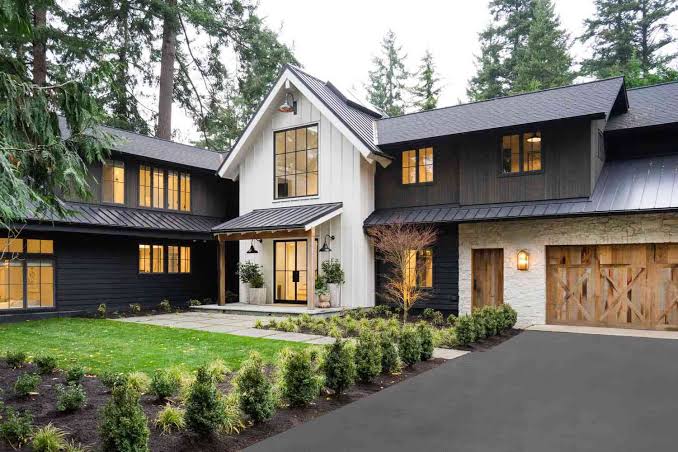
First impressions matter, especially when it comes to your home’s exterior. While homeowners often spend time selecting paint shades, one important factor is frequently overlooked: exterior wall texture. The texture of your exterior walls can dramatically influence how colours appear, making it essential to pair textures with the right exterior house colours and exterior colour combinations.
Whether you’re building a new home or refreshing an existing façade, understanding how texture and colour work together can help create a balanced, attractive, and long-lasting exterior design.
Why Exterior Wall Texture Matters
Exterior wall texture is more than just a decorative element. It adds depth, character, and personality to your home’s appearance. From smooth finishes and stucco textures to stone cladding and rustic patterns, each surface interacts with light differently.
A heavily textured wall tends to create shadows, making colours appear darker or richer than they actually are. Smooth surfaces, on the other hand, reflect more light and showcase colours more accurately. This is why choosing paint without considering the wall texture can sometimes lead to unexpected results.
Before finalising a paint shade, always test it on the actual textured surface to see how it looks at different times of the day.
Choosing Exterior House Colours for Smooth Textures
Homes with smooth exterior finishes offer great flexibility when selecting colours. Since the surface reflects light evenly, both light and dark shades can work beautifully.
Popular exterior house colours for smooth walls include:
- Warm whites and off-whites
- Soft greys
- Beige and sand tones
- Muted blues
- Contemporary charcoal shades
These colours create a clean and modern appearance while allowing architectural details to stand out. Smooth textures also work well with bold accent colours on doors, windows, or trim.
For homeowners seeking a minimalist look, a combination of warm white walls and dark grey accents remains a timeless choice.
Pairing Textured Walls with the Right Colours
When dealing with textured surfaces such as stucco, rough plaster, or decorative concrete finishes, softer shades often produce the best results. The texture itself already adds visual interest, so overly bright colours can sometimes feel overwhelming.
Earthy tones work exceptionally well with textured exteriors, including:
- Taupe
- Clay beige
- Stone grey
- Olive green
- Soft terracotta
These shades complement the natural depth of the texture while maintaining a sophisticated appearance.
The goal is to let the texture enhance the colour rather than compete with it.
Creating Attractive Exterior Colour Combinations
A successful exterior design rarely relies on a single colour. Well-planned exterior colour combinations create dimension and help highlight architectural features.
One effective approach is the 60-30-10 rule:
- 60% dominant wall colour
- 30% secondary colour for trims and details
- 10% accent colour for doors or decorative elements
Some popular exterior colour combinations include:
Beige and Dark Brown
This combination creates a warm, welcoming appearance that complements textured walls beautifully. It works particularly well for traditional and Mediterranean-style homes.
Grey and White
A modern favourite, grey walls paired with crisp white trims offer a clean and elegant look. This combination suits both smooth and lightly textured exteriors.
Olive Green and Cream
Inspired by nature, this pairing blends seamlessly with landscaped surroundings and gives homes a timeless appeal.
Charcoal and Wood Tones
For contemporary homes, charcoal grey paired with natural wood accents creates a striking balance between modern design and warmth.
Considering Natural Light and Surroundings
The best exterior house colours should complement not only your wall texture but also the surrounding environment. Homes located in sunny regions often benefit from lighter shades that reflect heat and maintain brightness throughout the day.
Darker colours can look stunning on textured walls but may absorb more heat and appear even darker in shaded areas. Observing how natural light interacts with your exterior wall texture can help you make a more informed decision.
Additionally, consider nearby landscaping, neighbouring homes, and roofing materials to ensure your chosen colour palette feels cohesive.
Balancing Texture and Colour for Long-Term Appeal
Trends come and go, but a thoughtfully selected combination of texture and colour can remain stylish for years. Neutral tones, earthy palettes, and subtle contrasts tend to age gracefully and offer greater flexibility if you decide to update your exterior décor later.
Rather than focusing solely on popular shades, choose colours that enhance your home’s architecture and complement the unique characteristics of the wall texture.
Final Thoughts
Selecting the perfect exterior colour combinations involves more than picking colours from a catalogue. The relationship between exterior wall texture and exterior house colours plays a significant role in determining the final look of your home. By considering texture, lighting, architectural style, and colour balance together, you can create an exterior that feels cohesive, attractive, and welcoming.
With the right pairing, your home can achieve the perfect blend of character, elegance, and curb appeal that stands out for all the right reasons.
